

Resveratrol immune system studies: It can both enhance and inhibit branches of the immune system
resveratrol | resveratrol-research | resveratrol-studies

Dr. Hector Valenzuela ("Dr. V") is a distinguished expert in Immunosenescence (immune system aging) and Telomere Biology. He currently serves as the Fletcher Jones Chair in Molecular Biology and Department Chair at Whittier College.
Holding a Ph.D. in Experimental Pathology from UCLA, Dr. Valenzuela completed his Postdoctoral Fellowship in Cancer Cell Biology funded by the National Institutes of Health (NIH). His research focuses on the mechanisms of T-cell aging and the potential of natural compounds to alter the aging rate of cells. At RevGenetics, he ensures every product is backed by rigorous, peer-reviewed science.
Dr. Valenzuela helped develop a refined version of the "Terminal Restriction Fragment (TRF) Assay." This method removed the error-prone blotting steps of older techniques, allowing researchers to measure telomere length faster and more directly.
His work demonstrated that telomere shortening in T-cells is not just a sign of aging but correlates with disease status. Specifically, he identified links between T-cell aging and Alzheimer's disease.
He found that memory T-cells specifically lose "telomerase inducibility" (the ability to repair themselves) after repeated stimulation. This loss of repair capacity, alongside the decline of the CD28 marker, explains why the immune system weakens in the elderly.
The "clock" refers to telomeres. Dr. Valenzuela compares these to the plastic tips on shoelaces. These DNA sequences protect chromosomes from unravelling. Every time a cell divides, the telomere shortens slightly, eventually causing the cell to stop dividing.
Using Jurkat cell lines to model T-cells, Dr. Valenzuela found that Resveratrol blocks the expression of Interleukin-2 (IL-2). Since IL-2 signals T-cells to proliferate, blocking it suggests Resveratrol acts as a dampener, reducing inflammation and preventing immune cells from becoming exhausted.
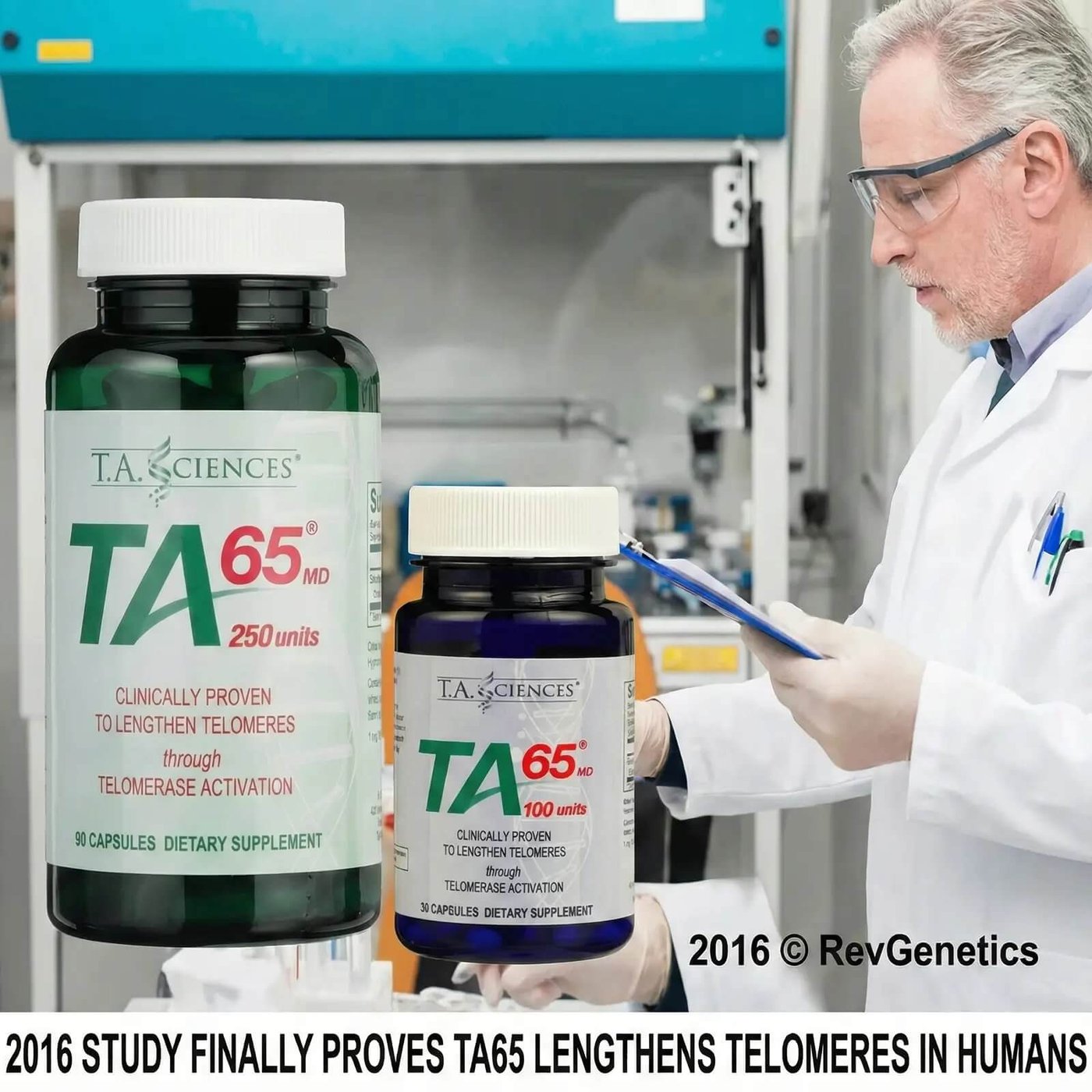
While Resveratrol helps with inflammation, Dr. Valenzuela found that Cycloastragenol (TA-65) works on the "clock" itself. His research showed it extends T-cell proliferation by increasing telomerase activity, effectively hitting the "emergency brake" on the aging process inside the cell.
Dr. Valenzuela is the Chief Science Officer (CSO). He holds this position while working as an active academic researcher. This dual role ensures RevGenetics products are supported by rigorous science.

resveratrol | resveratrol-research | resveratrol-studies

longevity-news | natural-news | news
telomere-news | telomere-science
ta-65 | telomere-news | ta-65-articles | telomere-science


